
When you think about soft foods, you probably picture mashed potatoes or creamy yogurt. But where does pizza fit in?
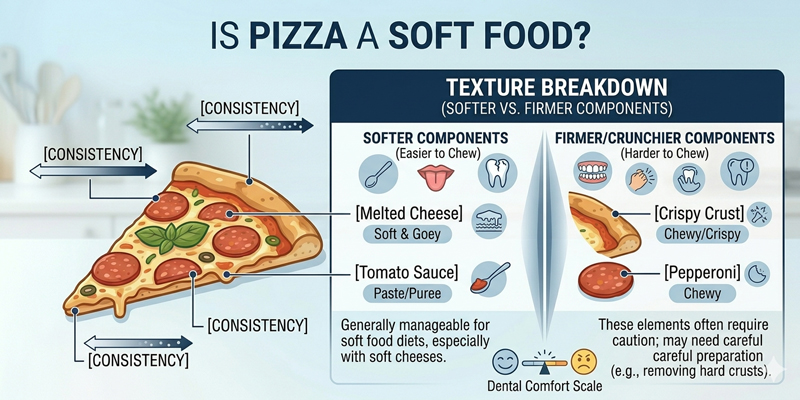
Is pizza a soft food, or does its crust and toppings make it too tough to be included in a soft diet? If you’re dealing with dental issues, recovering from surgery, or simply curious about food textures, this question matters to you.
Understanding whether pizza counts as a soft food can help you make smarter choices that protect your mouth while still letting you enjoy some of your favorite flavors. Keep reading to discover the surprising answer and learn how to enjoy pizza even when you need softer options.
Texture Of Pizza Crust
The texture of pizza crust plays a key role in deciding if pizza is a soft food. The crust can range from soft and chewy to crispy and crunchy. This variety affects how easy it is to chew and swallow pizza. Understanding the texture helps people with dietary needs choose the right type of pizza.
Variations In Softness
Pizza crust varies in softness depending on the dough recipe. Some crusts are thin and crisp, breaking easily with a crunch. Others are thick and fluffy, offering a soft and chewy bite. The softness can also change after cooling, often becoming firmer. Toppings and sauce moisture can make the crust softer in some areas. Personal preferences and regional styles influence these variations.
Impact Of Baking Methods
Baking methods greatly affect the crust’s texture. High-temperature ovens create a crispy outer layer while keeping the inside soft. Wood-fired ovens add a smoky flavor and a slightly charred crust. Pan pizzas bake longer, resulting in a thicker, softer crust. Home ovens may not reach the same heat, often producing a softer, less crispy crust. Baking time and temperature control the final texture of the pizza crust.
Toppings And Softness
Pizza’s softness depends a lot on its toppings. The choice and texture of toppings change how soft or firm the pizza feels. Some toppings add moisture and softness, while others bring crunch or chewiness. Understanding these differences helps decide if pizza fits a soft food diet.
Cheese And Sauce Texture
Cheese is usually soft and melts on pizza. It creates a smooth, creamy layer. This softness makes pizza easier to chew. Sauces like tomato sauce add moisture. They keep the pizza from feeling dry. A wet sauce can make the pizza softer overall. Thick, chunky sauces might add some texture, but most pizza sauces are smooth. Together, cheese and sauce create a soft base on the pizza.
Effect Of Meats And Vegetables
Meats can change the pizza’s softness a lot. Cooked, ground, or shredded meats are softer and easier to eat. Hard or crispy meats like pepperoni or sausage add chewiness. Vegetables also affect texture. Soft vegetables like cooked mushrooms, spinach, or bell peppers add moisture. Raw or crunchy vegetables make the pizza firmer. The way toppings are cooked matters too. Well-cooked toppings blend softly into the pizza, while raw or roasted ones keep a bite.
FAQs: Is Pizza a Soft Food?
Can You Eat Spaghetti On A Soft Diet?
Yes, you can eat spaghetti on a soft diet if it is cooked until very soft and easy to chew. Avoid adding hard or crunchy toppings.
What Qualifies As Soft Food?
Soft foods are easy-to-chew and swallow items like mashed potatoes, yogurt, scrambled eggs, soft pasta, and ripe bananas. They exclude hard, crunchy, or tough foods, focusing on tender, cooked, or pureed options suitable for healing or chewing difficulties.
Can You Eat A Hamburger On A Soft Diet?
A GI soft diet for diverticulitis includes easily digestible, low-fiber foods to reduce bowel irritation and promote healing. It avoids seeds, nuts, raw vegetables, and tough meats. Examples include cooked vegetables, soft fruits without skins, tender proteins, and refined grains.
Conclusion
Pizza can be soft or firm depending on its crust and toppings. A thin crust pizza with melted cheese is usually softer. Thick crust or deep-dish pizzas tend to be harder to chew. For those needing soft foods, choosing a pizza with a soft base and gentle toppings works best.
Texture matters most when deciding if pizza fits a soft food diet. Remember to listen to your body and select pizza types that feel comfortable to eat. Softness varies, so choose wisely for your needs.