
Have you ever been ready to make a delicious homemade pizza only to find your dough frozen solid? Waiting hours for it to thaw can really kill the excitement—and your dinner plans.
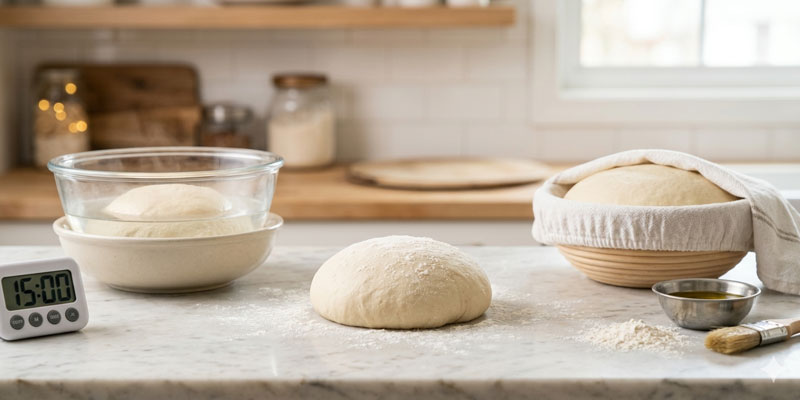
But what if you could defrost your pizza dough quickly without sacrificing texture or flavor? In this post, you’ll discover simple, effective ways to bring your frozen dough back to life fast. Whether you’re short on time or craving that perfect crust tonight, these tips will help you get your pizza party started sooner than you think.
Keep reading and unlock the secrets to quick, flawless pizza dough thawing!
Warm Water Bath
Using a warm water bath is a fast and effective way to defrost pizza dough. This method gently raises the dough’s temperature without cooking it, preserving its texture and flavor. It’s ideal for those who need dough ready in less than an hour. The process is simple and requires only warm water and a sealed bag or container.
Careful control of water temperature is key. Too hot water can kill the yeast, stopping the dough from rising. Too cold water slows down the thawing process. A warm water bath creates the perfect environment for yeast to wake up and the dough to soften quickly.
Ideal Water Temperature
The water should be between 90°F and 110°F (32°C to 43°C). This range is warm enough to soften the dough but not so hot that it kills the yeast. Use a kitchen thermometer to check the water temperature for best results. Lukewarm tap water usually works well. Avoid water hotter than 120°F (49°C) as it can damage the dough.
Step-by-step Process
- Place the frozen pizza dough in a sealed plastic bag to prevent water from entering.
- Fill a large bowl with warm water at the ideal temperature.
- Submerge the sealed dough bag fully in the warm water.
- Let the dough sit for 20 to 30 minutes, occasionally pressing the bag to help distribute heat evenly.
- Check if the dough feels soft and pliable. If not, leave it for another 10 minutes.
- Remove the dough from the water, dry the bag, and let the dough rest at room temperature for 10 minutes before use.
Common Mistakes To Avoid
- Using water that is too hot, which can kill the yeast and ruin the dough.
- Leaving the dough in water for too long makes it waterlogged and sticky.
- Not sealing the dough properly, allowing water to seep in and affect the texture.
- Rushing the process by using cold water slows thawing and may result in uneven defrosting.
- Skipping the resting time after defrosting, which helps the dough relax and rise better.
Microwave Thawing
Microwave thawing offers a fast way to defrost pizza dough. It saves time compared to slow refrigerator thawing. This method uses the microwave’s heat to quickly soften the dough. Proper use prevents uneven thawing or partial cooking. It is ideal when you need dough ready in minutes.
Using Short Bursts
Microwave the dough in short 15 to 20-second bursts. After each burst, check the dough’s softness. Rotate or flip the dough to warm it evenly. Avoid long heating times at once. This helps the dough thaw gently without overheating.
Preventing Dough Cooking
Use low or defrost power settings on your microwave. High heat can start cooking the dough’s edges. Stop heating as soon as the dough feels soft but still cool. Cover the dough with a damp cloth to keep it moist. This keeps the dough from drying out or cooking.
When To Use This Method
Microwave thawing works best for small dough portions. It fits well when you need dough fast for last-minute pizza. Avoid this method for large dough balls to prevent uneven thawing. Use it as a quick fix, not a regular thawing solution.
Room Temperature Thawing
Defrosting pizza dough at room temperature is a simple and effective way to prepare it for baking. This method lets the dough thaw evenly without losing texture or flavor. It takes some patience but requires minimal effort. Proper thawing helps the dough rise well and bake into a perfect crust.
Optimal Time Frame
Place the frozen dough on a clean surface or in a bowl. Leave it uncovered or lightly covered with a cloth. Usually, the dough takes 2 to 4 hours to thaw completely at room temperature. Avoid leaving it out longer than 6 hours to prevent over-fermentation or spoilage.
Preparing Dough For Use
Once thawed, gently remove the dough from its wrapping. Lightly flour your hands and work surface to prevent sticking. Knead the dough briefly to redistribute the yeast and gases. Shape it into a ball and let it rest for 10 to 15 minutes before rolling it out.
Signs Dough Is Ready
Check the dough’s texture and softness. It should feel elastic and slightly springy. The dough will have a smooth surface with small bubbles inside. When pressed gently, it should slowly bounce back. These signs mean the dough is ready to be shaped and baked.
FAQs: How to Quickly Defrost Pizza Dough?
How Do You Bring Pizza Dough To Room Temperature Quickly?
Place dough in a sealed plastic bag, then submerge in warm water (80-90°F) for 15-20 minutes. Check frequently to avoid overheating.
What Is The 55 Rule For Pizza Dough?
The 55 rule for pizza dough means using water at 55°F to balance yeast activity and ensure consistent fermentation. This temperature creates a firmer, manageable dough.
How To Heat Frozen Dough Fast?
Place frozen dough in a sealed plastic bag. Submerge it in warm water (around 80°F) for 20-30 minutes. Avoid microwaving to prevent uneven heating. This speeds thawing while preserving dough texture and yeast activity.
Conclusion
Defrosting pizza dough quickly saves time and keeps it fresh. Use warm water or room temperature methods for best results. Avoid rushing, as gentle thawing improves dough texture. Ready dough means faster homemade pizza nights. Practice these tips for a perfect crust every time.
Enjoy baking without waiting hours. Simple steps lead to tasty, soft pizza dough. Try these easy ways and enjoy your pizza sooner.