
Have you ever stopped mid-bite and wondered, “How many calories am I really eating in this slice of pizzeria pizza?” You’re not alone. Whether you’re counting calories, trying to eat healthier, or just curious about what’s on your plate, knowing the calorie content of a typical pizzeria slice can help you make smarter food choices without giving up the flavors you love.
You’ll discover the calorie breakdown of different pizza types, how toppings affect those numbers, and practical tips to enjoy your favorite slice without guilt. Ready to take control of your pizza cravings? Let’s dive in and uncover the truth behind those delicious slices.
Calories In Different Pizza Types
Pizza slices from pizzerias vary widely in calories. Different types of pizza have distinct ingredients and sizes. These factors affect how many calories each slice contains. Understanding calories in different pizza types helps make better choices. Below, find a clear breakdown of calories by pizza type.
Calories In Cheese Pizza
Cheese pizza is the simplest and often the lowest in calories. A typical slice has around 200 to 300 calories. It mainly includes dough, tomato sauce, and cheese. Extra cheese or thick crust raises calories significantly.
Calories In Pepperoni Pizza
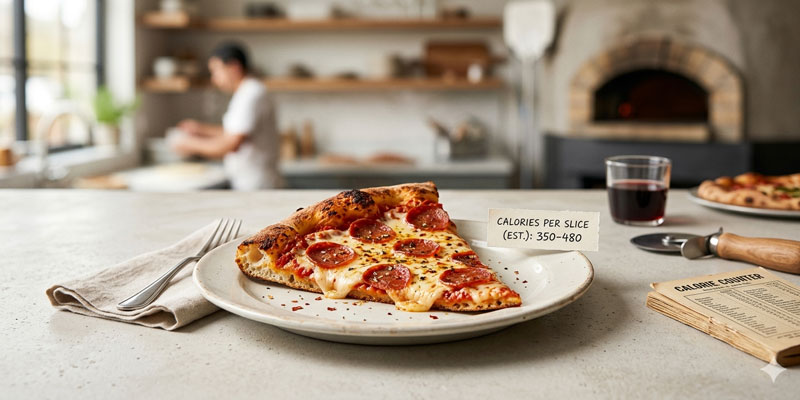
Pepperoni pizza adds spicy meat to the cheese base. This topping increases calories due to fat and protein. One slice usually contains 300 to 400 calories. Pepperoni’s oil content adds to the calorie count.
Calories In Veggie Pizza
Vegetable toppings lower calories compared to meat options. Mushrooms, onions, peppers, and tomatoes add flavor with fewer calories. A slice of veggie pizza generally has 250 to 350 calories. It is a healthier alternative for calorie watchers.
Calories In Meat Lover’s Pizza
Meat lover’s pizza includes multiple high-fat toppings like sausage, bacon, and pepperoni. These slices contain the most calories, often 400 to 500 or more per slice. Fat content from meats makes this type the highest in calories.
Calories In Thin Crust Vs. Thick Crust Pizza
Thin crust pizzas have fewer calories than thick crust or deep dish. Thin crust slices usually range from 200 to 300 calories. Thick crust pizzas can add 100 or more calories per slice. Crust choice greatly affects total calories.
Toppings And Their Calorie Impact
Toppings change the calorie count of a pizzeria pizza slice a lot. Each topping adds different calories and fats. Knowing this helps choose healthier options. Some toppings add few calories, while others add many.
The type and amount of toppings affect total calories. This section breaks down common toppings and their calorie impact.
Vegetables: Low-calorie Toppings
Vegetables like mushrooms, onions, and peppers add few calories. They add flavor and nutrients without much fat. These toppings keep the slice lighter and healthier. Good for those watching calories or fat intake.
Meats: High-calorie Toppings
Meats such as pepperoni, sausage, and bacon add many calories and fat. These toppings increase calories quickly. They also add saturated fat, which is less healthy. Limit these toppings to reduce calorie intake.
Cheese: Calorie Variations
Cheese adds calories from fat and protein. Extra cheese boosts calories and fat significantly. Some cheeses have more fat than others. Choosing less cheese or lower-fat cheese reduces calories.
Tips For Healthier Pizza Choices
Choosing healthier pizza options helps reduce calorie intake and supports better health. Small changes in crust, toppings, and portion size make a big difference. These tips guide you to enjoy pizza without feeling guilty or heavy afterward.
Focus on nutrient-rich ingredients and control your portions. This way, pizza stays a fun and balanced meal.
Crust Choices Matter
Pick thin crust over thick crust to cut calories. Whole-wheat or cauliflower crusts add fiber and nutrients. Avoid deep-dish or stuffed crusts that add extra fat and carbs.
Smart Toppings Selection
Load your pizza with vegetables like peppers, onions, and spinach. Choose lean proteins such as grilled chicken instead of high-fat meats. Skip extra cheese to lower saturated fat and calories.
Watch The Sauce
Tomato sauce can contain added sugars. Choose sauces with no sugar or make your own. This reduces hidden calories and helps keep blood sugar steady.
Portion Control Tips
Eat one or two slices instead of more. Pair pizza with a large salad or steamed vegetables. This adds fiber and keeps you full longer.
FAQs: How many calories are in a Pizzeria Slice of Pizza?
How Many Calories Are In An Average Slice Of Pizza From A Pizzeria?
An average slice of pizzeria pizza contains about 250 to 350 calories. Calories vary by toppings and crust type. Choose vegetables for fewer calories.
How Many Slices Of Pizza Are 500 Calories?
A typical pizza slice has around 250 calories. Therefore, two slices equal approximately 500 calories. Calorie count varies by toppings and crust type.
How Many Slices Of Pizza Can A Diabetic Eat?
Diabetics should limit pizza to one or two small slices with a thin crust and vegetable toppings. Monitor blood sugar closely.
Conclusion
A slice of pizzeria pizza varies in calories based on size and toppings. Choosing vegetables lowers calories, while meats and extra cheese raise them. Portion control helps manage calorie intake without missing out on taste. Being aware of calories supports healthier eating habits.
Enjoy pizza mindfully as part of a balanced diet. Small changes make a big difference over time. Remember, knowing calories helps you make better food choices.