
You love sharing moments and snacks with your furry friend, but when it comes to pizza crust, you might wonder: can your dog safely enjoy it too? Pizza crust may seem harmless, but there are hidden risks that could affect your dog’s health.
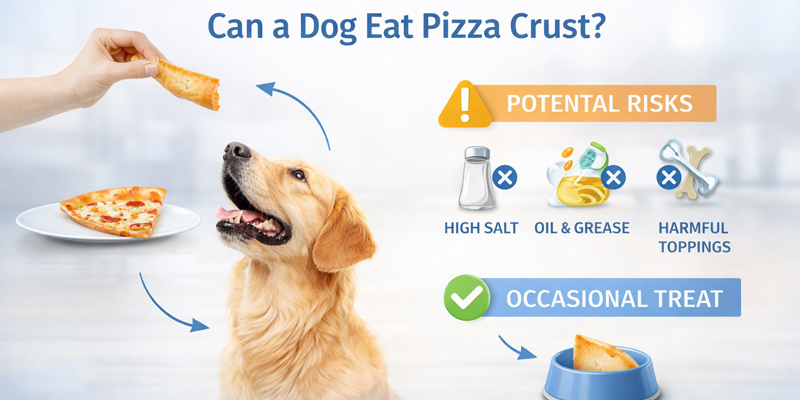
Before you toss that crust their way, it’s important to understand what’s really inside and how it might impact your dog. Keep reading to discover the surprising facts about pizza crust and your dog’s health—so you can make the best choice for your loyal companion.
Risks Of Pizza Crust For Dogs
Pizza crust may seem like a harmless treat for dogs. Many pet owners share small bites without thinking twice. Yet, there are several risks that come with feeding pizza crust to dogs. Understanding these dangers helps keep your dog safe and healthy.
Not all pizza crusts are created equal. Some contain harmful ingredients and additives. Others may cause digestive problems or even poisoning. This section explains the main risks linked to pizza crust for dogs.
Toxic Ingredients In Pizza
Pizza often contains onions and garlic. Both are toxic to dogs and can cause serious health problems. These ingredients may hide in the crust, sauce, or toppings. Even small amounts can lead to vomiting, diarrhea, or anemia. Avoid giving any pizza that might contain these harmful substances.
Dangers Of Raw Dough
Raw pizza dough is very dangerous for dogs. The yeast inside the dough can rise in a dog’s warm stomach. This causes bloating, pain, and even life-threatening problems. Yeast fermentation also produces alcohol, leading to ethanol poisoning. Never let your dog eat raw or uncooked dough.
Health Issues From Fat And Additives
Pizza crust usually contains high fat and salt levels. These can upset your dog’s stomach and cause pancreatitis. Additives and preservatives may also harm your dog’s health. Regularly feeding pizza crust can lead to obesity and long-term health issues. Stick to dog-safe treats instead.
Safe Alternatives To Pizza Crust
Feeding dogs pizza crust is not safe due to harmful ingredients and high fat. Many pet owners want a better snack option for their dogs. Safe alternatives to pizza crust offer tasty and healthy choices. These options avoid risks and keep dogs happy and healthy.
Try homemade recipes and natural treats that dogs enjoy. You can also use certain dough types safely to make dog-friendly snacks. These choices protect your pet’s health while satisfying their cravings.
Dog-friendly Dough Recipes
Make simple dough with dog-safe ingredients like whole wheat flour and water. Avoid salt, sugar, yeast, and additives. Mix flour with water until it forms a soft dough. Roll it out and bake at low heat until firm. This dough is easy on your dog’s stomach and tastes good.
Add natural flavors like pumpkin or peanut butter for variety. These homemade treats are free from harmful chemicals and preservatives.
Healthy Treat Options
Choose natural snacks like carrot sticks, apple slices, or cooked sweet potatoes. These treats provide vitamins and fiber. Avoid processed snacks or anything with spices and salt. Plain, fresh fruits and veggies satisfy dogs’ crunch needs.
Small amounts of cooked chicken or plain rice also make good treats. Always introduce new foods slowly to watch for allergies or upset stomach.
Using Overproofed Dough Safely
Overproofed dough has less yeast and a sour taste. It is safer for dogs because it rises less in the stomach. Use small pieces of overproofed dough baked until firm. Avoid raw or undercooked dough to prevent bloating and alcohol poisoning.
This dough type offers a chewy texture dogs enjoy. Baking it fully removes harmful yeast and bacteria.
Signs Of Trouble After Eating Pizza Crust
After your dog has eaten pizza crust, watch closely for any signs of trouble. Some symptoms may appear mild but can quickly worsen. Early detection helps keep your pet safe and healthy. Understanding what to look for allows you to act fast if problems arise.
Symptoms To Watch For
Check for vomiting or diarrhea. These are common signs of stomach upset. Notice if your dog seems weak or tired. Loss of appetite or reluctance to eat is a concern. Watch for excessive drooling or signs of pain. Difficulty breathing or bloating may also occur. These symptoms suggest your dog needs help.
When To Contact A Vet
Call your vet if your dog vomits repeatedly. Persistent diarrhea or blood in stool requires prompt care. Sudden weakness or collapse demands immediate attention. If your dog shows signs of difficulty breathing, seek emergency help. Unusual behavior or seizures are serious red flags. Don’t wait to get professional advice in these cases.
Preventing Future Incidents
Keep pizza and crusts out of your dog’s reach. Train your dog to avoid begging for human food. Provide safe, healthy treats instead. Dispose of leftovers properly and quickly. Educate family and guests about the risks of feeding pizza. Prevention is key to keeping your dog safe and well.
FAQs: Can a Dog Eat Pizza Crust?
What Kind Of Pizza Crust Can Dogs Eat?
Dogs can safely eat plain, fully baked pizza crust without sauce, cheese, or harmful toppings. Avoid raw dough and ingredients like garlic or onions.
Can Dogs Eat Onions?
Dogs must not eat onions. Onions contain compounds toxic to dogs, causing anemia and severe health issues even in small amounts.
What Are The Symptoms Of Pizza Crust Poisoning In Dogs?
Symptoms of pizza crust poisoning in dogs include vomiting, diarrhea, lethargy, abdominal pain, bloating, and loss of appetite. Watch for changes in behavior or excessive drooling. Severe cases may cause difficulty breathing or weakness. Seek veterinary care immediately if symptoms worsen or persist.
Conclusion
Pizza crust is not a healthy treat for dogs. It often contains harmful ingredients like garlic and onion. These can cause serious health issues. Also, the high fat in crusts may upset your dog’s stomach. Raw dough is especially dangerous and should be avoided.
Instead, give dogs treats made just for them. Always watch your dog after eating something new. Keep their safety and health as your top priority.